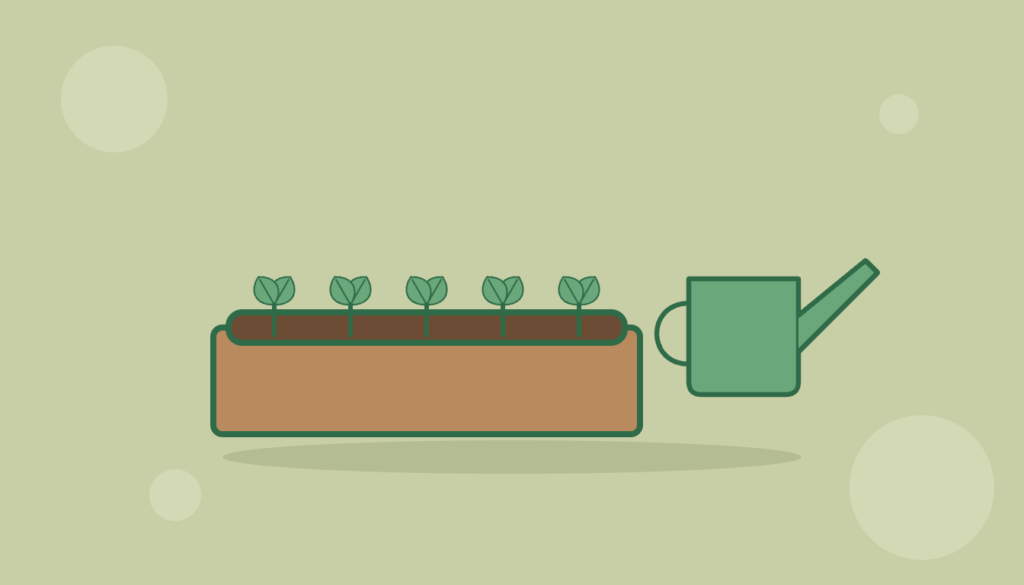
There’s nothing quite like eating something you grew yourself: a sun-warm tomato, crisp lettuce picked minutes before dinner, beans that snap. A vegetable garden doesn’t need acres of land or years of experience. Most failed first gardens fail for the same reason: they start too big. Start small, choose easy crops and get the basics right, and you’ll be harvesting within weeks.
Step 1: find the sun
Most vegetables need at least six hours of direct sunlight a day, and fruiting crops like tomatoes, peppers and squash do best with eight. Watch your garden, balcony or patio over a day and note where the sun falls. Leafy greens and herbs such as lettuce, spinach, parsley and mint cope with a little more shade.
Step 2: choose how to grow
| Method | Good for | Notes |
|---|---|---|
| Containers and grow bags | Balconies, patios, renters | Need more frequent watering |
| Raised beds | Poor or heavy soil, easier access | Warm up faster in spring and drain well |
| In the ground | Larger spaces with decent soil | Cheapest per square metre |
For a first year, one raised bed of about 1.2 × 2.4 m (4 × 8 ft), or a handful of large pots, is plenty. Keep beds narrow enough to reach the middle without stepping on the soil.
Step 3: build good soil
Healthy soil is crumbly, drains well and is full of organic matter. Before planting, mix in a generous layer of compost or well-rotted manure. For containers, use a good-quality potting mix, not garden soil, which compacts in pots.
Step 4: pick easy crops
| Crop | Start from | Typical time to harvest | Why it’s easy |
|---|---|---|---|
| Radishes | Seed | 3–5 weeks | Very fast, great for impatient gardeners |
| Salad leaves | Seed | 4–6 weeks | Cut-and-come-again for weeks |
| Courgettes (zucchini) | Seed or young plant | 8–10 weeks | Hugely productive |
| Bush or climbing beans | Seed | 8–10 weeks | Large seeds, reliable |
| Tomatoes | Young plant | 8–12 weeks after planting | Rewarding all summer |
| Herbs (parsley, chives, mint) | Young plant | Ongoing | Low-maintenance and useful |
Grow what you actually like to eat. Buying young plants from a garden centre is an easy shortcut for tomatoes, peppers and herbs.
Step 5: time it right
Seed packets give sowing times for your region. A key date is your area’s average last spring frost. Frost-tender crops like tomatoes, courgettes and beans shouldn’t go outside until after it, while hardy crops such as lettuce, peas, radishes and spinach can go out a few weeks earlier.
Step 6: water and mulch
- Water deeply and less often rather than a light sprinkle every day; it encourages deep roots.
- Water at the base of plants, ideally in the morning, not over the leaves.
- Check soil with your finger: if it’s dry 2–3 cm down, water.
- Mulch with compost, straw or leaf mould to keep moisture in and weeds down.
Step 7: keep an eye out
A quick daily walk around your plants catches problems early. Pull weeds while they’re small, pick off slugs and caterpillars by hand, and harvest regularly; many crops, like beans and courgettes, produce more the more you pick.
Keep a garden notebook
Write down what you planted, when, and how it did. Next year’s garden will be better for it.
Feed your new garden for free with kitchen scraps; see composting for beginners.
About the writer: Yasmine.H
Yasmine writes Tidibook’s home and garden guides: houseplants, growing food and small projects that make a home work better.
1 comment